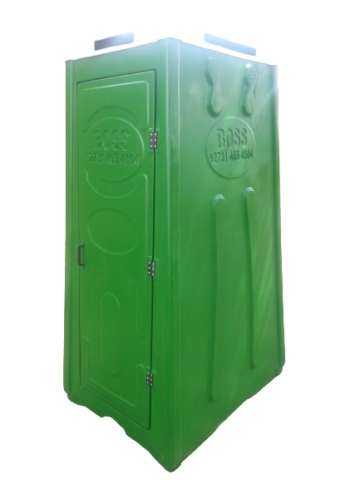
Understanding Portable Toilets: Flush vs Non-Flush
Portable toilets are standalone sanitation units designed for temporary or mobile use. They are generally divided into two main categories: flush portable toilets and non-flush portable toilets. While both serve the same basic purpose, their functionality, hygiene levels, and user experience differ.
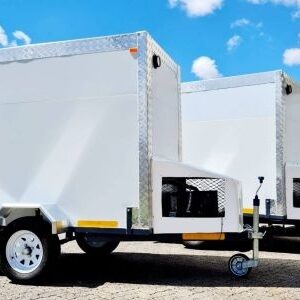
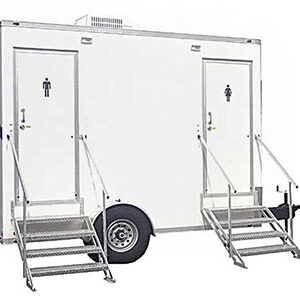
Flush portable toilets operate similarly to traditional toilets. They come with a flushing mechanism that uses water or chemical solutions to clear waste into a sealed holding tank. This design helps reduce odors and provides a cleaner and more comfortable experience for users.
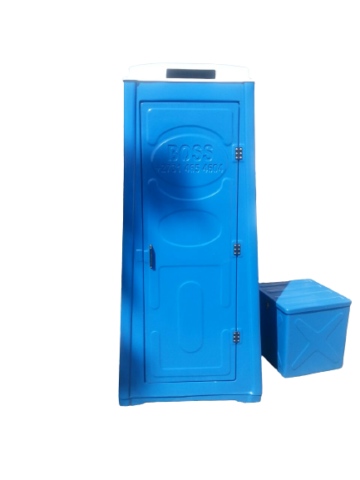
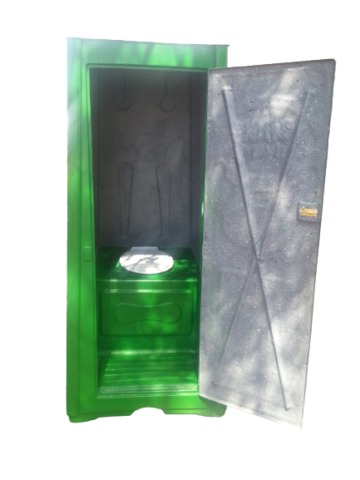
On the other hand, non-flush portable toilets are simpler units that do not include a flushing system. Waste is collected directly into a holding tank, often treated with chemicals to control odor and bacteria. These units are more affordable, lightweight, and easier to maintain, making them ideal for rugged environments or short-term use.
Key Features of Flush Portable Toilets
Flush portable toilets are preferred for situations where hygiene and user comfort are a priority. These units are commonly used at high-end events, weddings, VIP areas, and long-term projects.
One of the main features of flush toilets is the built-in flushing system, which ensures that waste is immediately sealed away, reducing unpleasant smells. Many models include a freshwater tank for flushing, along with a separate waste tank. Some advanced units also offer foot-pump or electric flushing options for added convenience.
Another benefit is improved cleanliness. The flushing mechanism helps keep the bowl clean after each use, which enhances user satisfaction. Additionally, these units often come with features like handwashing stations, mirrors, and ventilation systems.
Although flush portable toilets are more expensive than non-flush options, they provide a superior user experience, making them worth the investment for premium applications.
Advantages of Non-Flush Portable Toilets
Non-flush portable toilets are a practical and economical choice for many industries. They are widely used on construction sites, road projects, agricultural fields, and remote locations where water supply may be limited.
The biggest advantage of non-flush toilets is their simplicity. With fewer components, these units are less prone to mechanical issues and require minimal maintenance. They are also lighter and easier to transport, making them suitable for frequent relocation.
Cost-effectiveness is another major benefit. Non-flush toilets are more affordable to purchase or rent, making them ideal for large-scale deployments where multiple units are required.
Despite lacking a flushing system, modern non-flush toilets are designed with effective odor control using chemical treatments. Proper servicing and regular cleaning ensure that these units remain hygienic and safe for users.
Frequently Asked Questions (FAQs)
1. What is the main difference between flush and non-flush portable toilets?
Flush portable toilets include a flushing mechanism that uses water or chemicals to move waste into a sealed tank, providing better hygiene and odor control. Non-flush toilets do not have this feature and rely on chemical treatments to manage waste and smell.
2. Which type of portable toilet is better for events?
Flush portable toilets are generally better for events, especially for VIP areas or long-duration gatherings, as they offer a cleaner and more comfortable experience. Non-flush units can still be used for general crowds where budget is a concern.
3. How often should portable toilets be cleaned?
The cleaning frequency depends on usage. High-traffic units may require daily servicing, while low-usage units can be cleaned every few days. Regular maintenance is essential to ensure hygiene and odor control.
4. Are portable toilets environmentally friendly?
Yes, modern portable toilets are designed to be eco-friendly. They use biodegradable chemicals and efficient waste management systems. Non-flush toilets, in particular, conserve water, making them suitable for environmentally sensitive areas.
5. Can portable toilets be used for long-term projects?
Absolutely. Both flush and non-flush portable toilets can be used for long-term projects. Flush units are ideal for comfort over extended periods, while non-flush units provide a cost-effective and durable solution for ongoing use.