What Are Peg and Pole Tents?
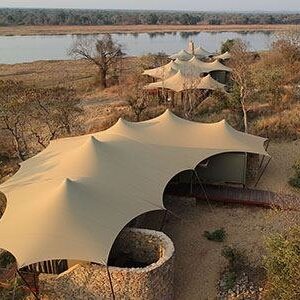
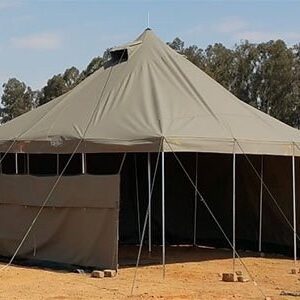
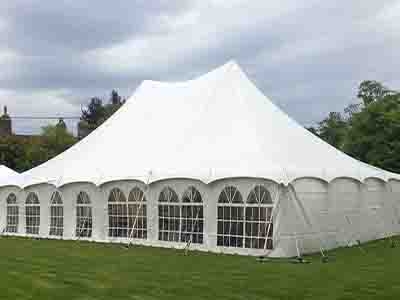
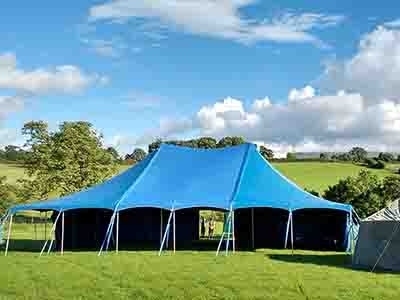
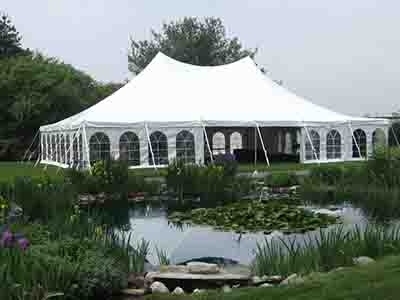
Peg and pole tents are traditional-style tents that rely on a system of vertical poles and tensioned ropes secured with pegs driven into the ground. Unlike modern frame tents, these tents require anchoring to maintain their shape and stability. The central poles support the roof, while side poles create the iconic high peaks and elegant silhouette that many event planners prefer.
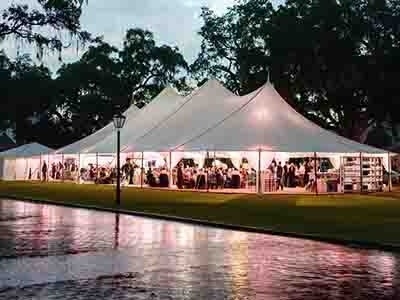
The structure allows for excellent airflow and creates a spacious interior without intrusive framework, making it ideal for large gatherings and outdoor functions. Their design is both practical and visually appealing, which is why they continue to be widely used across industries.
Key Features of Peg and Pole Tents
One of the most attractive aspects of peg and pole tents is their simplicity combined with strength. These tents are designed to handle different weather conditions while maintaining a visually appealing look.
They are typically made using high-quality PVC or canvas materials that are resistant to water, UV rays, and wear and tear. The poles are usually constructed from strong materials like aluminum or galvanized steel, ensuring durability and stability.
Another key feature is their spacious interior. Because the structure depends on external tension rather than an internal frame, the inside area remains open and flexible. This makes it easier to arrange seating, stages, or decorations without obstruction.
Additionally, these tents are highly customizable. They come in various sizes, colors, and styles, allowing you to choose a design that fits your specific needs and event theme.
Benefits of Choosing Peg and Pole Tents
Peg and pole tents offer several advantages that make them a preferred choice for many buyers. One of the primary benefits is their cost-effectiveness. Compared to other tent types, they are generally more affordable while still delivering excellent performance.
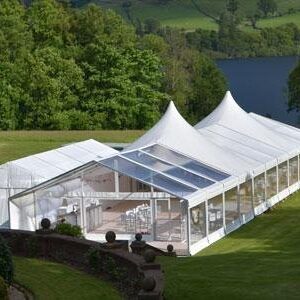
Their elegant appearance is another major advantage. The high peaks and flowing lines create a sophisticated ambiance, making them perfect for weddings, parties, and corporate events. The aesthetic appeal adds value to any event setup.
Durability is also a key benefit. With proper installation and maintenance, peg and pole tents can withstand wind and rain, making them suitable for long-term use. Their materials are designed to endure harsh outdoor conditions without compromising performance.
Ease of setup is another factor that attracts users. Although they require pegging and tensioning, the setup process is straightforward when handled by experienced professionals. This makes them a practical choice for both small and large events.
Frequently Ask Questions (FAQs)
1. What surfaces are suitable for peg and pole tents?
Peg and pole tents are best suited for soft surfaces such as grass, sand, or soil where pegs can be securely anchored. Hard surfaces may require special anchoring solutions.
2. Are peg and pole tents waterproof?
Yes, most peg and pole tents are made from waterproof materials like PVC or treated canvas, ensuring protection against rain and moisture.
3. How long do peg and pole tents last?
With proper care and maintenance, peg and pole tents can last for several years. High-quality materials and regular inspections help extend their lifespan.
4. Can peg and pole tents withstand strong winds?
These tents can handle moderate wind conditions when properly installed and tensioned. For areas with strong winds, additional reinforcement may be required.
5. Are peg and pole tents easy to set up?
Yes, they are relatively easy to set up, especially with professional assistance. The process involves positioning poles and securing the tent with ropes and pegs for stability.